
 SEARCH
 LIST YOUR PROPERTY
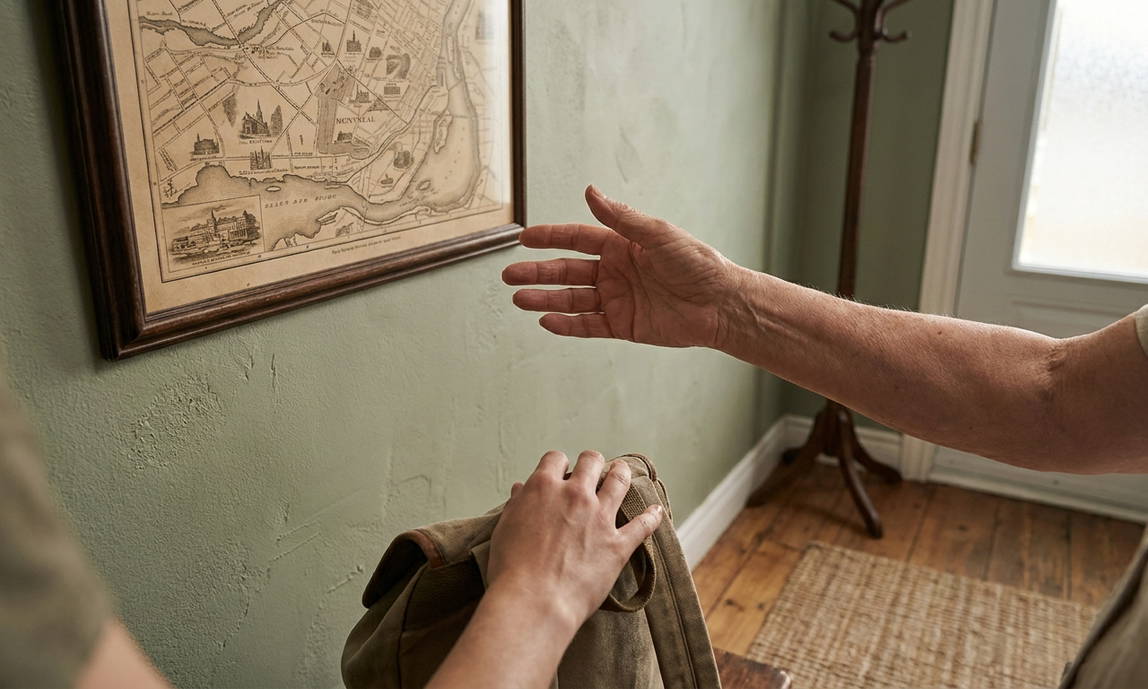
The 2026 academic year is fast approaching, and with it, the daunting hurdle of finding a roof over your head. If you are looking for student housing in Quebec for 2026, you have undoubtedly noticed that the real estate market is going through a period of unprecedented turbulence. With soaring rents, persistent inflation, and a drastically shrinking rental supply, students are the first to be affected by this difficult situation. At Roomlala, we are closely monitoring this alarming situation and we are convinced that there are viable, secure, and deeply human alternative solutions. Faced with this widespread shortage, renting a homestay room or opting for intergenerational shared housing is the ideal answer for many young people. Let's break down the challenges of this Quebec housing crisis together, along with the countless legal and financial benefits of this practice, which is reinventing the way people live in La Belle Province.
The Quebec housing crisis: An alarming state of affairs for the 2026 academic year
Worrying statistics on the Montreal and Quebec rental market
Recent data confirms what many feared on the ground. According to the latest reports from the Canada Mortgage and Housing Corporation (CMHC) for 2026, the rental vacancy rate in Montreal remains at a critical threshold, sitting at around 1.5%. In some university towns in the province, this rate is even closer to 1%. In concrete terms, a healthy vacancy rate should be around 3% to ensure a balance between supply and demand. At 1.5%, we are in a situation of extreme scarcity. Landlords receive dozens, sometimes even hundreds of applications for a single studio. Students, often without a solid credit history or local guarantors (particularly international students), consistently find themselves at the bottom of the pile. This reality significantly worsens the shortage of student housing, sometimes forcing them to accept substandard accommodation or housing located hours of commuting time from their campus.
See also: 2026 Mobility lease: The legal framework for renting out your room with total flexibility, Porta 65 housing support in 2026: What young tenants and hosts need to know in Portugal and Renting out a room in your home in Ontario: Decoding the Residential Tenancies Act for 2026
This scarcity of supply has the direct consequence of an explosion in rent prices. New leases signed in 2026 show vertiginous increases compared to previous years, making the traditional market almost inaccessible for a single person on a student budget. Finding a homestay room in Montreal therefore becomes not just a lifestyle choice, but an absolute necessity to be able to continue one's studies in decent conditions. At Roomlala, we are seeing a massive increase in searches for this type of alternative accommodation, a sign that attitudes are changing as a result of necessity.
The growing financial insecurity of the student population
The impact of this crisis on the financial and mental health of students is devastating. Recent data from the Unité de travail pour l'implantation de logement étudiant (UTILE) is unequivocal: more than 77% of Quebec university students are tenants. Among them, one statistic is particularly chilling: more than 60% of these student tenants spend more than 30% of their monthly income just to pay their rent. Yet the 30% threshold is recognized globally as the limit beyond which a household is considered to be in a situation of financial insecurity related to housing.
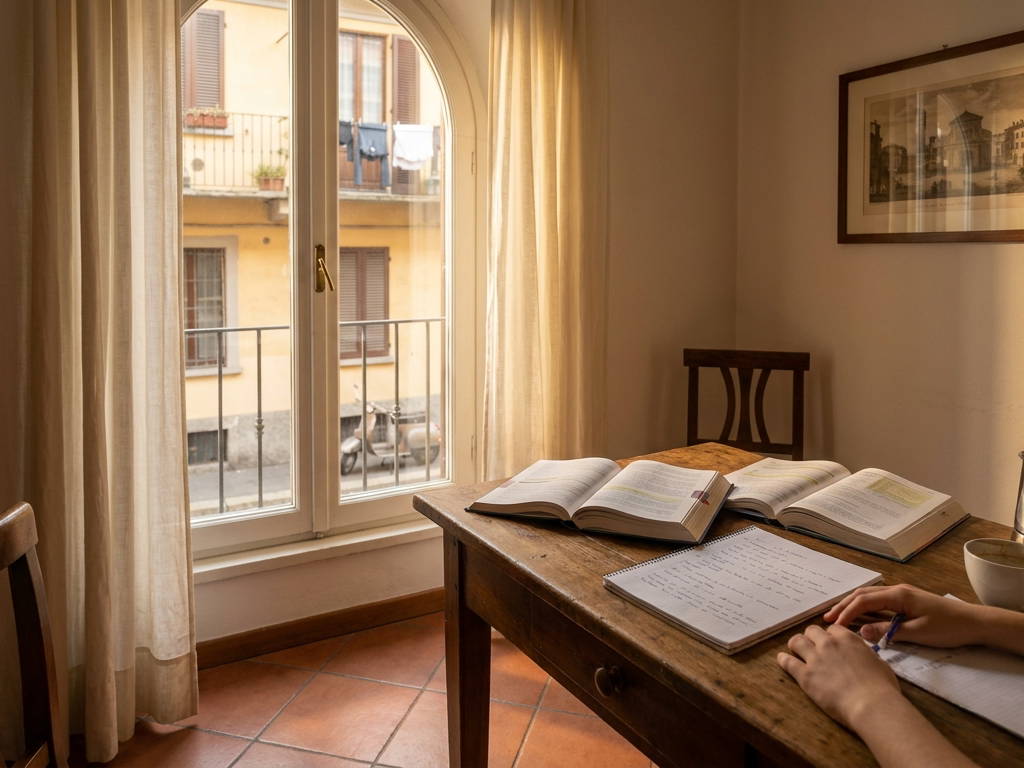
When a student spends 40% or 50% of their budget on rent, the consequences are immediate. They have to cut their grocery budget, give up healthcare, or work more part-time hours at the expense of their studies. Take the example of Sarah, a second-year student at the University of Montreal. To pay for her $1,200/month studio, she has to work more than 25 hours a week, which has a direct impact on her academic results and her stress levels. It is precisely to break this cycle of precariousness that alternatives like student shared housing with a host make perfect sense for the 2026 academic year.
Homestays: A human, economic, and supportive alternative
A reinvented and highly affordable student shared housing option
Faced with the prohibitive prices of individual studios, renting a homestay room comes as a breath of financial fresh air. Generally speaking, renting a room from an individual costs between 30% and 50% less than an independent apartment. But the financial benefits do not stop at just the rent amount. By opting for this setup, the student is freed from many incidental expenses that weigh heavily on a moving-in budget: buying furniture, opening Hydro-Québec accounts, internet subscriptions, or purchasing appliances. Everything is already on-site, ready for use.
Beyond the purely economic aspect, it is the human experience that gives this model its strength. The student, particularly if they are arriving from another region of Quebec or from abroad, immediately finds a point of reference. Their host can point them toward good local spots, how public transport works (the STM in Montreal or the RTC in Quebec City), and the subtleties of local life. Take the case of Julien, a French student who recently arrived at UQAM. By renting a room from a young retired couple in the Rosemont district, he not only halved his housing budget but also benefited from an express integration into Quebec culture, thus avoiding the famous culture shock and the loneliness of the first few months.
The boom in intergenerational cohabitation supported by the government
The year 2026 also marks a turning point in institutional support for these types of accommodation. The Quebec government, aware of the dual problem of the student housing crisis and the isolation of the elderly, is actively encouraging intergenerational cohabitation. The flagship program Échanges entre générations 2026-2027 is a perfect illustration of this. This innovative scheme subsidizes student accommodation within seniors' residences (RPA) or with elderly individuals, in exchange for a few hours of volunteering per week.
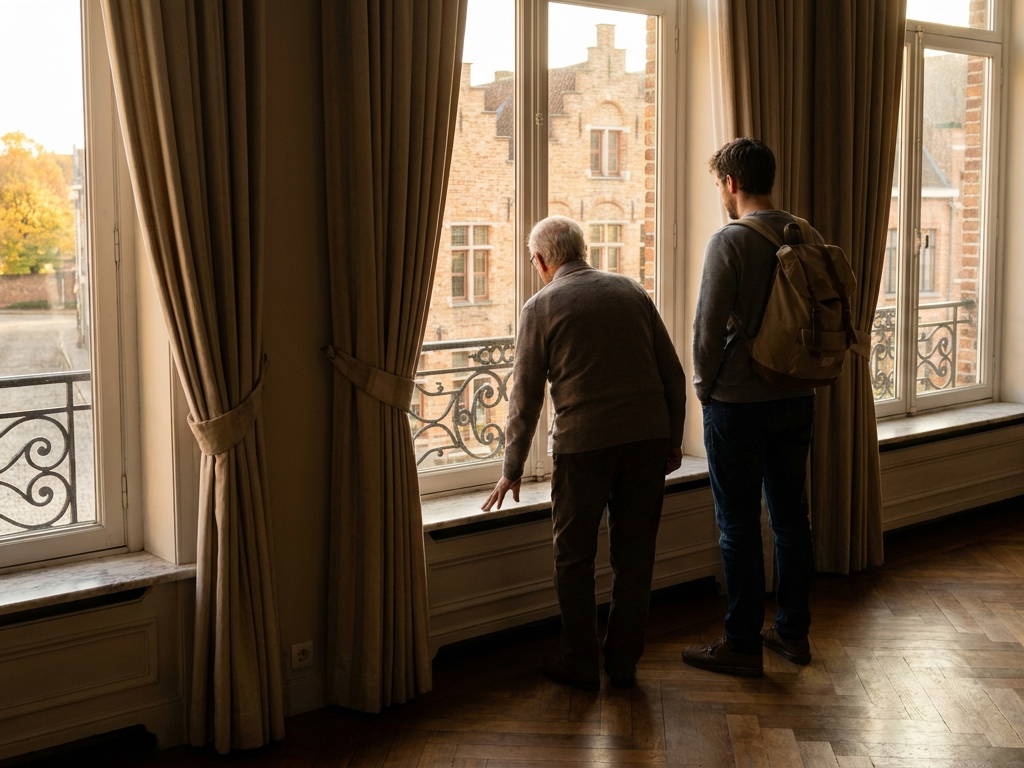
In concrete terms, a student can benefit from a very modest rent (sometimes symbolic) by committing to spend 5 to 8 hours a week with their host. These moments of sharing can take various forms: help using computer tools, sharing meals, reading, or simple discussions to break the loneliness. This is the case for Léo, a student at Université Laval, who lives with 72-year-old Marcel in Sainte-Foy. In exchange for a rent of $350 a month, Léo helps Marcel with his heavy grocery shopping and shares dinner with him three times a week. It is a genuine relationship of trust and mutual respect that is established, proving that student shared housing can take on a deeply social and supportive dimension.
Hosts: The legal and tax framework for renting a room in 2026
Understanding Bill 67 and the directives of the Tribunal administratif du logement (TAL)
For hosts who are considering offering a homestay room in Montreal or elsewhere in Quebec, it is essential to fully understand the legal framework in force in 2026. One of the major points of vigilance concerns the regulations on tourist accommodation (Bill 67). It is crucial not to confuse a student lease with a short-term rental of the Airbnb type. Since the new 2026 regulations, renting a space for a duration of 31 days or less requires mandatory registration with the CITQ (Corporation de l'industrie touristique du Québec) and the provision of two proofs of primary residence. The fines for non-compliance with this law are extremely severe.
Fortunately, renting a room to a student for a university semester (which lasts for several months) avoids this administrative burden. A rental of more than 31 consecutive days falls directly under the jurisdiction of the Tribunal administratif du logement (TAL). This completely exempts the host from the strict rules of tourist accommodation. By signing a standard TAL lease for the rental of a room, the host enters a clear and protective legal framework, both for themselves and the tenant. However, it must be remembered that any rent increase from one year to the next, or the initial setting of the rent if the room was already rented, must imperatively take into account the annual directives issued by the TAL.
Taxation: Income reporting and advantageous deductions
Another fundamental aspect for hosts concerns taxation. At Roomlala, we always remind our community that the income derived from renting a homestay room is taxable. It must be reported annually to Revenu Québec and the Canada Revenue Agency (CRA). This should not be seen as a deterrent, because the tax system provides very advantageous mechanisms for hosts who rent out part of their primary residence.
Indeed, you have the right to deduct a portion of your current expenses, calculated pro-rata based on the surface area rented in relation to the total surface area of your home. Here are some examples of eligible expenses that you can deduct from your rental income:
- Electricity and heating: A portion of your Hydro-Québec bills.
- Telecommunications services: A percentage of your internet subscription, which is essential for a student.
- Insurance and taxes: A portion of your home insurance and your municipal and school taxes.
- Maintenance: Costs related to repairs carried out specifically in the rented room or in shared common areas.
For example, if the rented room and the shared spaces represent 15% of the total area of your house, you will generally be able to deduct 15% of these fixed costs from your rental income, thereby significantly reducing the tax impact. We nevertheless invite you to consult a chartered accountant or the official websites of Revenu Québec and the CRA to validate your specific situation.
Preparing to host: Criteria for decency and advice from Roomlala
Offering an adequate living and study environment
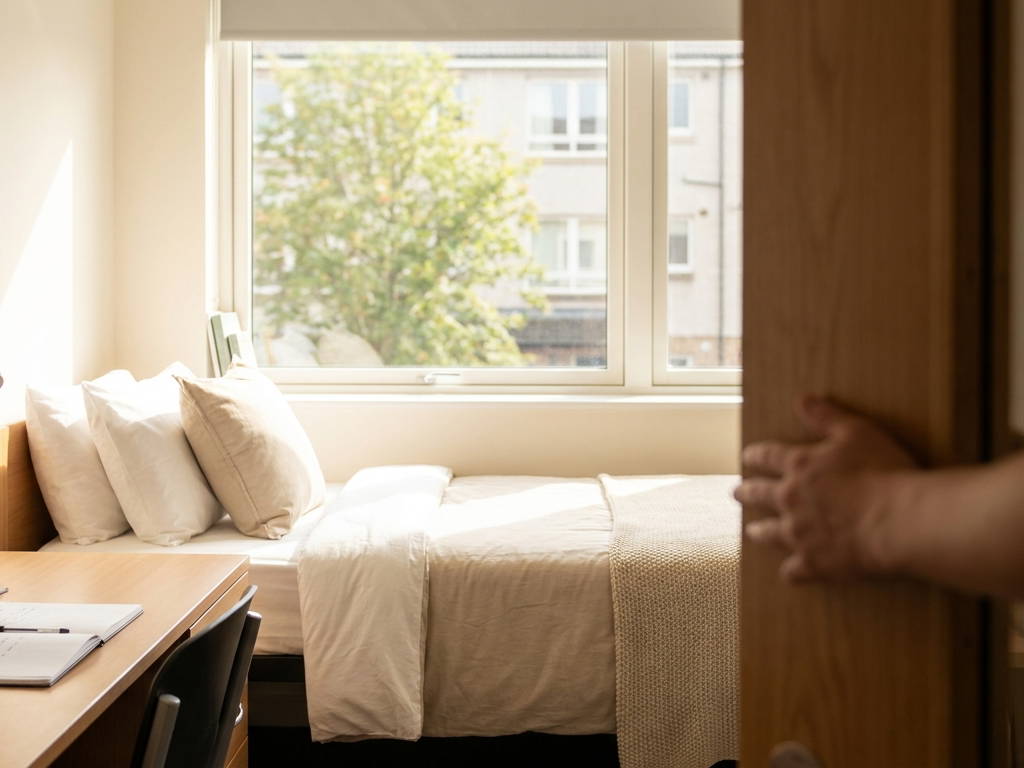
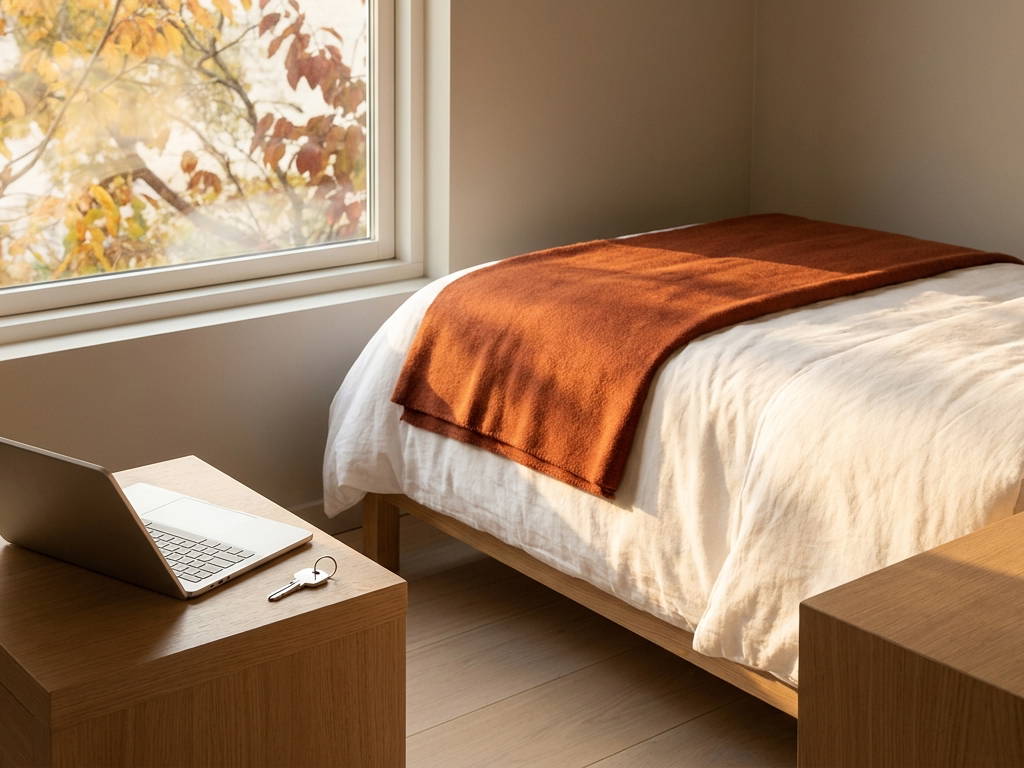
Renting a room to a student cannot be improvised. For the cohabitation to be a success and meet legal requirements, the rented room must respect strict criteria of decency. It is not just a matter of providing a mattress, but of offering a genuinely adequate study environment. In Quebec, health and safety standards require a room to have a minimum surface area (generally assessed at 9m² for basic comfort). The space must imperatively include a window facing the outside, not only to ensure natural light but, above all, to serve as an emergency exit in case of fire.
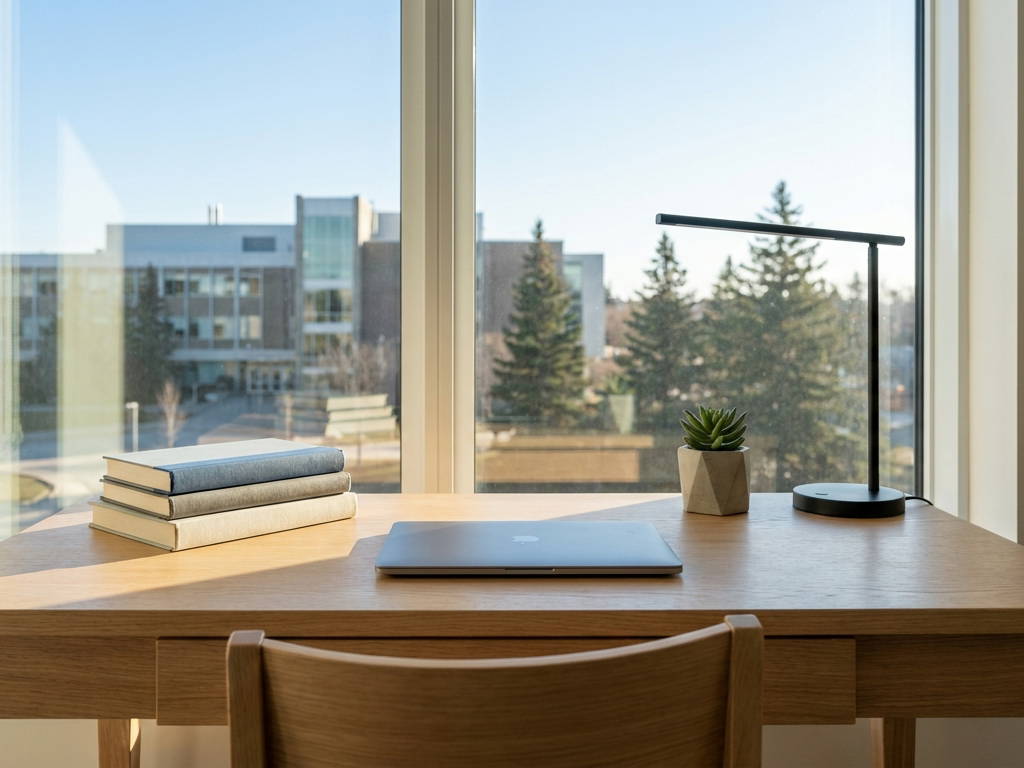
Furthermore, the room must be correctly heated, a non-negotiable point given the harshness of the Quebec winter. The student must also have guaranteed and fluid access to basic amenities: a clean bathroom, a kitchen equipped to prepare their meals (which helps them save more), and a stable and fast Wi-Fi connection, which has become the number-one work tool for following online courses, doing research, or submitting university assignments. Furnishing the room with an ergonomic desk, a comfortable chair, and sufficient storage will make all the difference in attracting serious and respectful profiles.
Securing your rental and finding the perfect match with Roomlala
Opening your door to a stranger can legitimately cause apprehension. That is where Roomlala's expertise comes into play. We make it a point of honor to secure every step of the connection process. On our platform, the profiles of tenants and hosts are verified, allowing you to consult the reviews left by former housemates. This transparency is the key to establishing mutual trust from the very first exchanges.
To make your cohabitation a success, we strongly advise you to establish clear house rules right from the start. Discuss sleeping schedules, policies regarding guests, the division of household chores in common areas, and the use of the kitchen openly. Drawing up a small roommate charter as an appendix to the TAL lease helps avoid 90% of potential conflicts. At the start of the 2026 academic year, faced with the Quebec housing crisis, becoming a host on Roomlala is much more than a financial transaction: it is a civic gesture, an opportunity for personal enrichment, and a concrete solution to help the new generation build their future with peace of mind.

There are no comments yet.
Add a comment
You must log in to post a comment.