
 SEARCH
 LIST YOUR PROPERTY

Since 1 January 2026, the Italian property landscape has undergone a major transformation that has disrupted the habits of thousands of hosts. The strict application of the new regulations surrounding the CIN Italy 2026 (Codice Identificativo Nazionale) has brought the euphoria of short-term tourist rentals to a halt. Faced with increasingly heavy administrative constraints, drastic safety standards, and increased tax pressure, many landlords are legitimately seeking more peaceful and profitable alternatives. At Roomlala, we are observing a fundamental trend: the massive migration of hosts towards renting out rooms over longer periods.
Whether you own an apartment in the heart of Rome, a house in Milan, or a large property in Bologna, the question of net profitability is now acute. Should you continue to rent by the night at the risk of seeing your margins collapse, or is it better to opt for stability? In this article, we decipher the impact of these new laws for you and explain why long-term renting in Italy, and student housing in particular, is emerging as the winning strategy at the end of 2026.
See also: 2027 Finance Bill and furnished rentals: What hosts need to know this autumn, 2026 Housing Act: What changes for room rentals in Spain and 2026 property tax: How renting out a homestay can lighten the load
Understanding the CIN Italy 2026 regulation and its impact on hosts
The Codice Identificativo Nazionale (CIN): what exactly are we talking about?
The well-known CIN, or National Identification Code, has become a nightmare for many hosts who favour the Airbnb model. Strictly mandatory since the beginning of 2026 for all rentals of less than 30 days, this code must appear on all online listings and at the entrance to the building. The Italian government's goal is clear: to fight against illegal tourist accommodation and regulate a market that has sent property prices skyrocketing in major cities. The sanctions for offenders are particularly dissuasive, with fines ranging from 500 to 8,000 euros. Furthermore, booking platforms are now legally obliged to simply remove any listings that lack this precious seal of approval.
But obtaining the CIN is not just a simple administrative formality. It comes with new, restrictive safety standards for tourist rentals. For example, hosts are now required to install combustible gas and carbon monoxide detectors in every property rented for short stays, as well as accessible portable fire extinguishers. These upgrades represent a significant initial cost and require regular maintenance, adding an extra mental load for hosts who until now managed their properties in a relatively informal way.
It is important to distinguish between this hyper-regulated tourist rental sector and long-term room rentals. The latter remains under the standard residential lease regime, sparing you the obstacle course associated with obtaining and maintaining the CIN. At Roomlala, we encourage you to explore this path, which allows you to rent out part of your primary or secondary residence without being subjected to these new regulatory pressures.
Increased property tax in Italy and new professional obligations
Beyond safety standards, it is property tax in Italy that has suffered the biggest shock in 2026. The flat-rate tax, known as cedolare secca, has been revised upwards for short-term rentals. While it remains at 21% for the first property rented under a tourist lease, it has now climbed to 26% from the second property onwards. This 5-point increase directly reduces the net yield for investors who had bet on multiplying small surfaces dedicated to tourists.
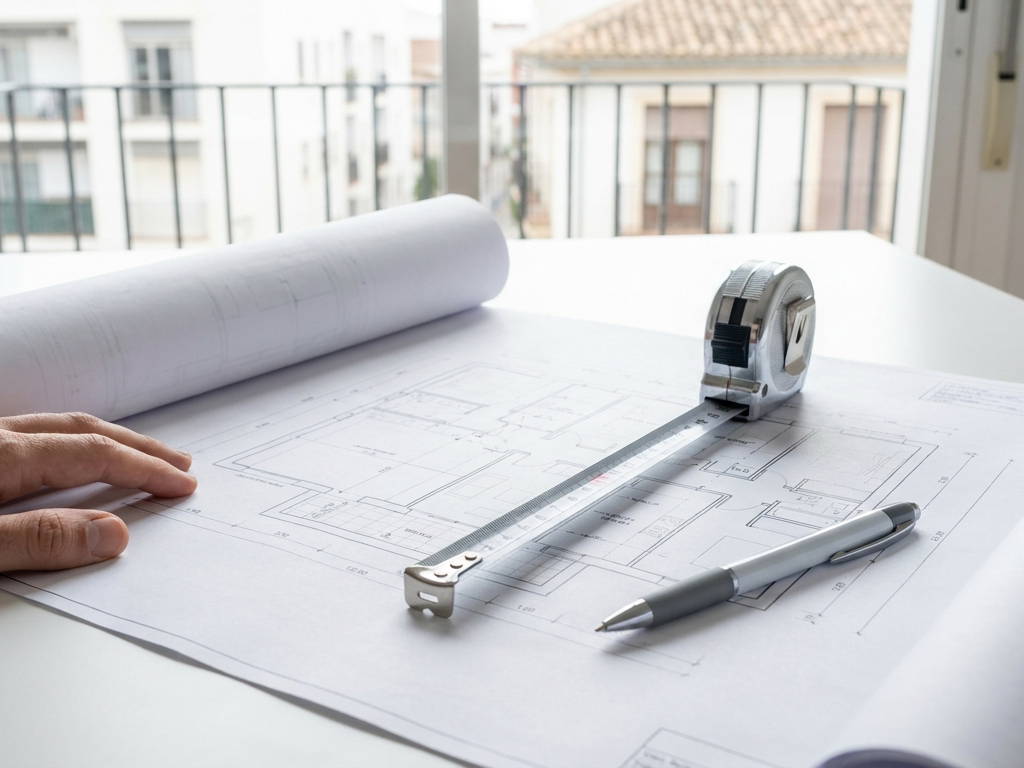
Even more restrictive: since 1 January 2026, the law considers short-term rental to be a full-fledged commercial activity as soon as you rent out more than two properties. In practice, this requires the mandatory opening of a Partita IVA (the equivalent of professional or micro-entrepreneur status). This change of status implies strict accounting obligations, the payment of social security contributions (INPS), and management fees (accountant), which wipe out the profitability for small and medium-sized hosts.
Let’s take the example of Giulia, the owner of three small studios in Florence. Until 2025, she rented them to passing tourists. With the new law, she must not only pay 26% tax on two of her properties, but also open a Partita IVA, pay an accountant, and install gas detectors everywhere. Faced with this administrative and financial wall, Giulia has decided to turn to shared housing in Italy for young professionals, a model that is completely exempt from these new rules.
Profitable alternatives: long-term renting in Italy and shared housing
CIN exemption and streamlined administration
Faced with this unprecedented tightening, long-term renting in Italy appears as a breath of fresh air. Italian legislation is clear: leases of more than 30 days, whether standard leases (4+4 years), transitional leases (1 to 18 months), or student leases (6 to 36 months), are completely exempt from the CIN. You do not need to display a code on your door, nor do you need to submit to strict tourist safety standards inspections (although basic safety naturally remains a requirement).
Moreover, long-term renting frees you from the famous limit of two properties. You can rent out three, four, or five rooms as shared housing without ever being forced to open a Partita IVA, provided you remain within the framework of managing your personal assets. This administrative flexibility is a major asset for hosts who wish to generate additional income without turning their activity into a time-consuming and costly business.
By hosting tenants over several months via Roomlala, you significantly reduce your workload. No more constant check-ins and check-outs, daily cleaning, managing bed sheets, and messages at all hours of the night from lost tourists. You sign a contract, hand over the keys, and enjoy a peaceful, human relationship with your tenant in the long term.
Financial security in the face of tourist fluctuations
Tourism is by nature seasonal and sensitive to crises (economic, health, climate-related). A highly profitable property in July may remain desperately empty in November. Long-term renting, and particularly shared housing in Italy, offers incomparable financial stability. Every month, on a fixed date, you receive your rent, allowing you to calmly plan your expenses or your mortgage repayments.
Furthermore, reduced turnover preserves the condition of your home. Wheeled suitcases damaging walls, premature wear and tear on furniture and appliances are all hidden costs of short-term renting that are often forgotten in calculations. A student or a young professional will naturally take better care of their daily living space than a tourist passing through for the weekend.
- Guaranteed income: No rental vacancy linked to the low season.
- Less wear and tear: A stable tenant respects the property more.
- Zero concierge fees: You easily manage it yourself without paying 20% to an agency.
Focus on students: renting rooms to students in Italy and optimising your income
The ultra-advantageous 10% Cedolare Secca regime
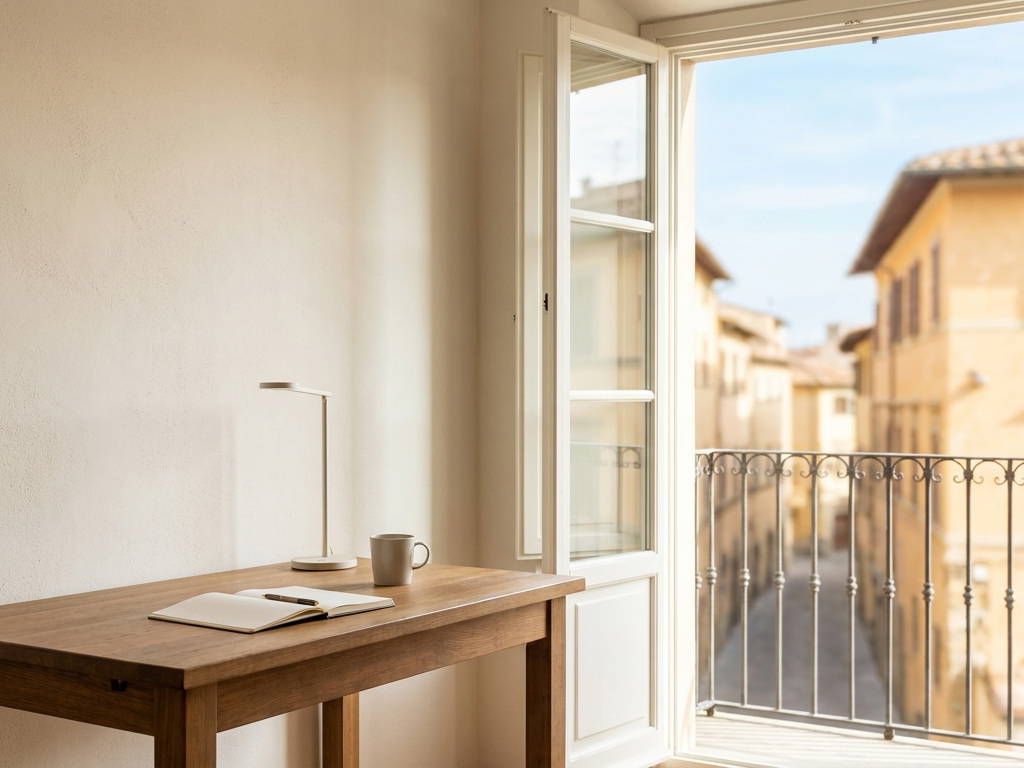
If there is one well-kept secret that Italian hosts are rediscovering at the end of 2026, it is the immense tax advantage linked to student leases. If you decide to rent rooms to students in Italy (specific contracts from 6 to 36 months), you can benefit from an unbeatable tax rate. Indeed, the cedolare secca can be reduced to just 10% (compared to 21% or 26% for short-term rentals!).
However, one point of caution: this ultra-advantageous rate is not automatic. It is only valid in municipalities with high housing pressure (comuni ad alta tensione abitativa), which fortunately includes almost all major Italian university cities such as Rome, Milan, Turin, Bologna, or Padua. Furthermore, it implies respecting a capped rent, called canone concordato, defined by local agreements between landlords' and tenants' unions.
Even if the headline rent (the canone concordato) is slightly lower than the free market price, the difference in taxation (10% instead of 26%) and the absence of additional costs (cleaning, platforms, accountant) often make the final net return higher. It is a formidable tax optimisation strategy that is increasingly appealing to smart landlords.
Concrete example of profitability with the canone concordato
Let's take a concrete use case to understand clearly. Marco owns a large apartment in Bologna, a highly popular university city. If he divides his apartment for tourist rentals (2 distinct properties), he will have to pay 21% on the first, 26% on the second, install detectors, apply for a CIN, and manage the rotations. Out of €2,500 in gross monthly income, after taxes, concierge fees, electricity, and wear and tear, he is left with approximately €1,200 net.
In 2026, Marco decides to change his strategy. He rents out three rooms as shared housing to students via a canone concordato lease. His total gross rent is capped at €1,800 per month. However, his tenants pay their own utilities (electricity, internet). Marco only pays 10% tax (i.e., €180). He has no management fees, no CIN, no Partita IVA. His net income rises to €1,620 per month. He has gained in profitability while reducing his stress tenfold!
This model also fosters social connections. Hosting students means contributing to their academic success by offering them a stable living environment, while securing your assets. It is a win-win situation for everyone.
How Roomlala supports you in this transition with complete peace of mind
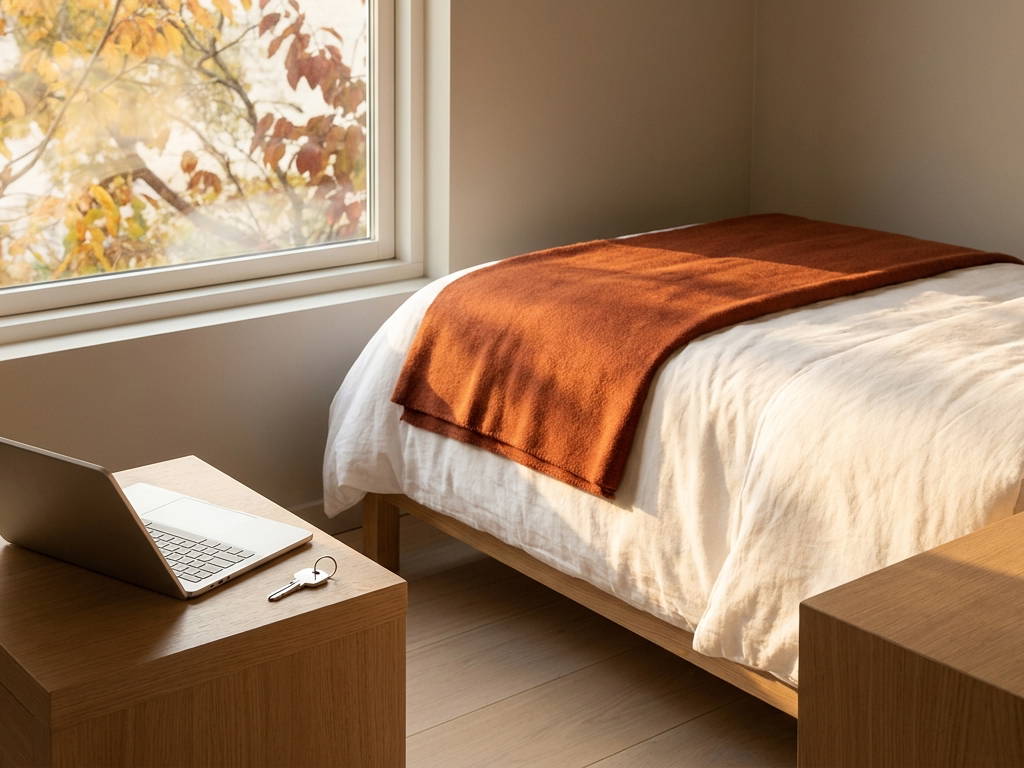
At Roomlala, we have always believed in the human and financial potential of homestays and shared housing. Faced with the complexity of the CIN Italy 2026 regulation, our platform positions itself as your best ally to pivot towards long-term renting. We connect hosts with a community of reliable tenants, consisting of students, young professionals, and mobile workers.
We know that safety is your priority. This is why all bookings made on our platform are protected. We verify tenant profiles and secure payments to guarantee you total peace of mind. You have absolute control over the choice of the person who will share your roof or occupy your property, thanks to our integrated messaging system that allows you to chat before any validation.
In conclusion, the end of 2026 marks a definitive turning point for property in Italy. Tourist constraints should not be seen as inevitable, but as an opportunity to rethink your rental strategy. By opting for long-term or student renting, you ensure stable income, a reduced 10% tax rate, and peaceful management, far from the hassles of the CIN and the Partita IVA. Do not wait any longer, post your listing on Roomlala and find your ideal future tenant today!




There are no comments yet.
Add a comment
You must log in to post a comment.