
 SEARCH
 LIST YOUR PROPERTY
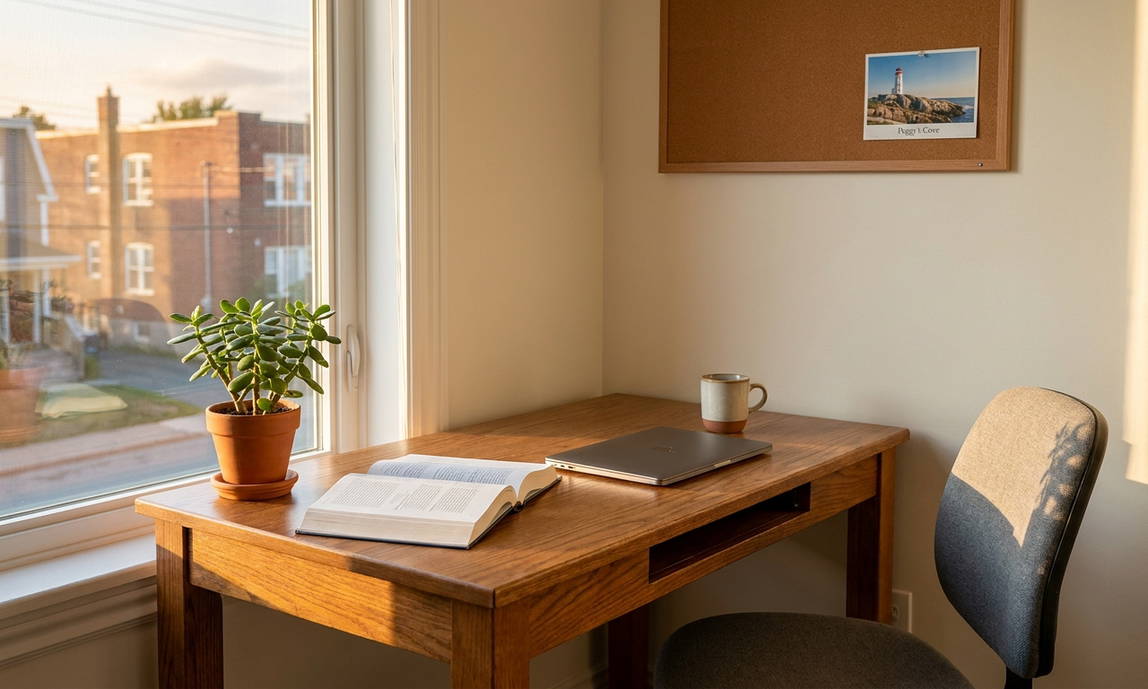
The September return to study is fast approaching, and with it, a significant challenge for thousands of young people: finding student accommodation in Halifax for 2026. Each year, the capital of Nova Scotia attracts a wealth of talent from all four corners of Canada and around the globe. Yet, behind this academic appeal lies an increasingly complex housing reality. Faced with constantly rising rents and a critical lack of on-campus infrastructure, finding a place to stay is often an uphill battle. At Roomlala, we are watching this situation closely and are convinced that a human, economic, and supportive solution exists: homestays. Here is a breakdown of an unprecedented crisis and the alternative that is saving the school year.
Understanding the student housing crisis in Halifax in 2026
A unique concentration of universities and a lack of beds
Halifax is a university city par excellence, but this strength has also become its Achilles' heel regarding accommodation. The city houses no fewer than six higher education institutions within a radius of just five kilometres. This exceptional density puts extreme pressure on the rental market, particularly as the Canadian academic year approaches. Students flock in simultaneously, all looking to live as close to their campus as possible, which instantly saturates the supply available in central neighbourhoods.
See also: Shared housing in Wallonia: New tenancy rules for young professionals in 2026, New CIN regulations in Italy: Why hosts are turning to shared housing in 2026 and 2026 Youth Rental Grant: How to benefit from the aid to rent a room in Spain
The figures speak for themselves and illustrate the scale of the gap between supply and demand. Currently, the province has more than 58,000 students, but university residences offer only about 8,400 beds. This structural deficit pushes the vast majority of students into the private rental market, a sector already under strain. At Roomlala, we see that many young people are left stranded by this lack of infrastructure, forced to broaden their search well beyond their preferred areas.
Take the example of Julien, a student from Montreal who came to study at Dalhousie University. While looking for traditional housing near his campus, he hit never-ending waiting lists for residences and private apartments that were snapped up in mere hours. It is this reality that makes the search so distressing for young people and their families, highlighting the urgency of turning to alternative solutions like renting a room in Nova Scotia.
Unaffordable rents for individual students
Beyond the scarcity of properties, it is the cost of living that is hitting students hard in 2026. According to the Canada Mortgage and Housing Corporation (CMHC), the overall vacancy rate in Halifax remains critical, stagnating around 2.7%. Worse still, for housing considered the most affordable, this rate drops drastically below the 1% mark. In this context of shortage, prices are soaring, making the rental of an individual apartment almost impossible on a standard student budget.
Today, a single student must pay on average between $1,830 and $2,100 per month for a one-bedroom apartment in Halifax. These astronomical amounts often force young people to take out significant loans, juggle multiple part-time jobs at the expense of their studies, or move significantly further from the city centre, thus increasing their travel time and transport costs. At Roomlala, we believe that access to education should not be hindered by such severe housing issues.
Faced with this price surge, shared housing in Halifax or a homestay stands out as a financial lifeline. By opting for this formula, monthly rents drop to much more reasonable levels, generally between $700 and $1,200 in the immediate vicinity of campuses. This budget difference literally changes the lives of students, allowing them to focus on their academic success rather than making ends meet.
Why institutional solutions are struggling to meet the urgency
University residences that are long overdue
Faced with the urgency of student housing in Halifax for 2026, authorities and universities are trying to react by announcing the construction of new infrastructure. However, the construction sector operates on a timeline that does not match the urgency of the students. For example, the highly anticipated new residence project at Dalhousie University, which is set to provide 213 additional beds, will not be delivered until autumn 2028. Until then, several generations of students will have to find solutions on their own.
At Roomlala, we want to be transparent with our community: do not expect short-term improvements via public or university infrastructure. Construction delays, administrative constraints, and material costs are significantly slowing the completion of these new buildings. Students starting in 2026 must therefore work with the existing property stock and show ingenuity to find a place to live.
Let's imagine the case of Sarah, who has been admitted for a three-year programme in Halifax. If she were to wait for the new residences to be finished, she would have graduated before even being able to move in. That is why it is crucial to turn to the existing private sector now, and particularly to the unused space within the homes of local residents.
The limits of public cohabitation initiatives
Aware of the potential for empty rooms in private homes, the provincial government has tried to encourage intergenerational cohabitation via public partnerships, notably with platforms like Happipad. The idea was commendable: to connect hosts with space with students looking for a roof. However, the results of these public initiatives have proven very limited on the ground.
Indeed, recent reports show that only about 60 leases were signed in two years through this provincial programme. This negligible figure, when put into perspective with the tens of thousands of students searching for housing, highlights the limits of a purely institutional approach. Hosts often need a more flexible framework, personalised support, and a platform with strong international visibility to take the step of hosting.
This is precisely where private and specialised platforms like Roomlala stand out. We offer an intuitive interface, proven security guarantees, and an already active community. We facilitate direct contact, without the administrative burdens sometimes associated with government programmes, thus allowing the true potential of homestays in Nova Scotia to be unlocked.
Homestays: The key solution for the Canadian academic year
Financial and human advantages for students
Renting a room in a homestay is much more than just a default choice for student accommodation in Halifax for 2026; it is a truly winning strategy. Financially, as we have pointed out, it is the best way to halve, or even reduce your housing budget by two-thirds. With rents ranging between $700 and $1,200, the student preserves their purchasing power for tuition fees, food, and leisure. Furthermore, these rates generally include utilities (water, electricity, internet), thus avoiding nasty surprises at the end of the month.
Beyond the economic aspect, a homestay offers a living environment conducive to success. The student arrives in a home that is already equipped, furnished, and often located in quiet residential areas, ideal for studying. It is also a fantastic opportunity for immersion for international or out-of-province students. Living with a local allows you to discover the culture of Nova Scotia, get valuable advice about the city, and break the loneliness inherent in being away from family.
Take the case of Maria, a Mexican student who arrived in Halifax. By choosing a homestay via Roomlala, she not only stuck to her tight budget but also perfected her English and discovered the best cafés in town thanks to her host. This human dimension is at the heart of our philosophy: we don't just connect square metres; we create lasting bonds.
A golden opportunity for Nova Scotian hosts
While the situation is strained for students, it actually represents an incredible opportunity for the residents of Halifax and its surroundings. The statistics are striking: Nova Scotia has more than 130,000 empty rooms in private homes. Whether due to children leaving home, the purchase of a larger house, or simply a lifestyle choice, this unused space is a gold mine in the face of the current crisis.
For a host, listing a room for rent in Nova Scotia helps generate a significant additional income. In a context of inflation and rising living costs, bringing in between $700 and $1,200 per month helps considerably with paying bills, property taxes, or funding personal projects. Moreover, the presence of a student brings life into the house, a sense of security, and sometimes even help with small daily tasks, as part of a mutual agreement.
At Roomlala, we support hosts every step of the way. We know that taking the plunge and welcoming a stranger can raise questions. That is why we insist on the total freedom given to the host: choice of tenant, setting house rules, and length of stay. You keep control of your home while doing a huge service to the younger generation.
Our advice for a successful search or hosting experience in Halifax
Students: Anticipation is the key to success
For the September 2026 intake, the golden rule is anticipation. The Halifax market moves extremely early. Searches in the most popular areas, such as the South End or around Spring Garden Road, begin as early as February and March. Waiting until the start of summer to search for your student accommodation in Halifax for 2026 means exposing yourself to a very limited choice and high residual prices.
Here are some practical tips from the Roomlala team to optimise your search:
- Create a complete profile: On our platform, a detailed profile with a smiling photo and a description of your lifestyle reassures hosts.
- Broaden your area: Don't limit yourself to the South End. Neighbourhoods like the North End, Dartmouth (accessible via the ferry), or Clayton Park offer excellent homestay opportunities with good bus connections.
- Be reactive and courteous: When you like a room, send a personalised message explaining why you are the ideal tenant.
Finally, be transparent about your expectations. If you are looking for shared housing in Halifax with lots of social interaction, or conversely, a very quiet place for a PhD, mention it in your first messages. Good communication from the start guarantees a harmonious living arrangement throughout the academic year.
Hosts: Preparing your home with peace of mind
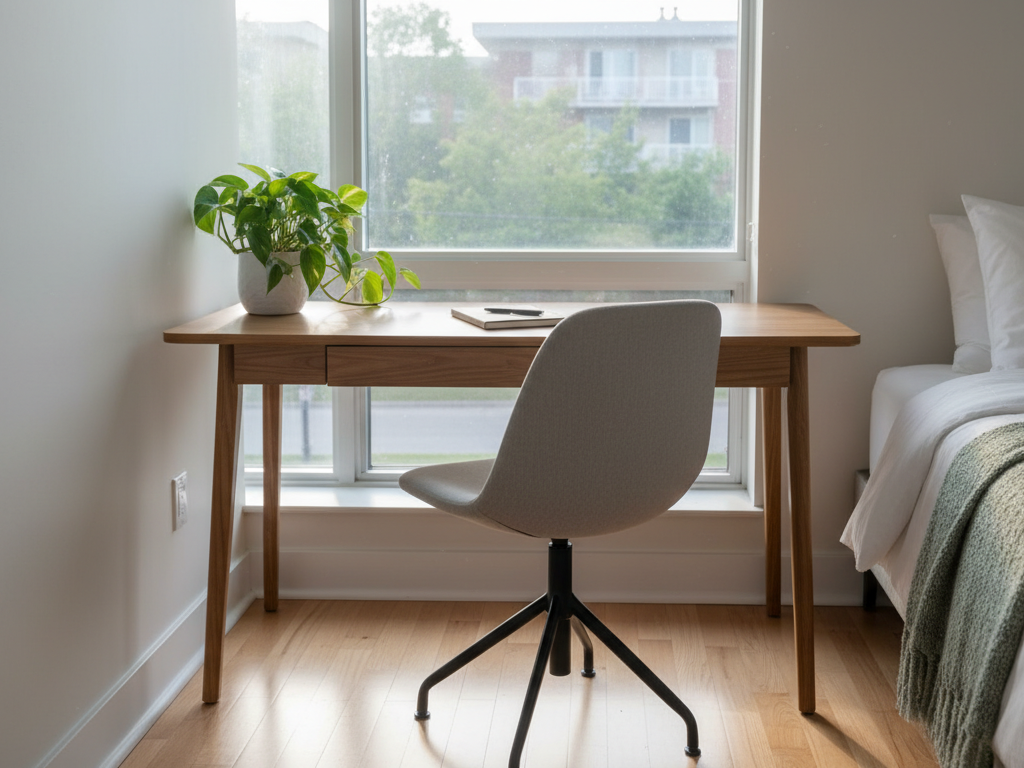
If you own one of these 130,000 empty rooms in Nova Scotia, you have the power to change things. For the experience to be a complete success, good preparation is essential. The room must be clean, well-ventilated, and include the essentials for a student: a comfortable bed, storage space for clothes, and, above all, a well-lit desk with an ergonomic chair and a reliable internet connection.
At Roomlala, we recommend establishing clear house rules from the start. Discuss the use of common areas (kitchen, bathroom), visiting hours, and the distribution of household chores if applicable. Putting these elements in writing in a small cohabitation charter helps to avoid misunderstandings and establish a climate of trust and mutual respect.
To secure your transactions, always use the Roomlala messaging and payment system. This protects you in the event of a last-minute cancellation and ensures you have a legal and secure framework. By opening your door, you are not just renting out a room; you are actively participating in resolving the student housing crisis in Halifax, all while enriching your own daily life with a great human connection.



There are no comments yet.
Add a comment
You must log in to post a comment.