
 SEARCH
 LIST YOUR PROPERTY
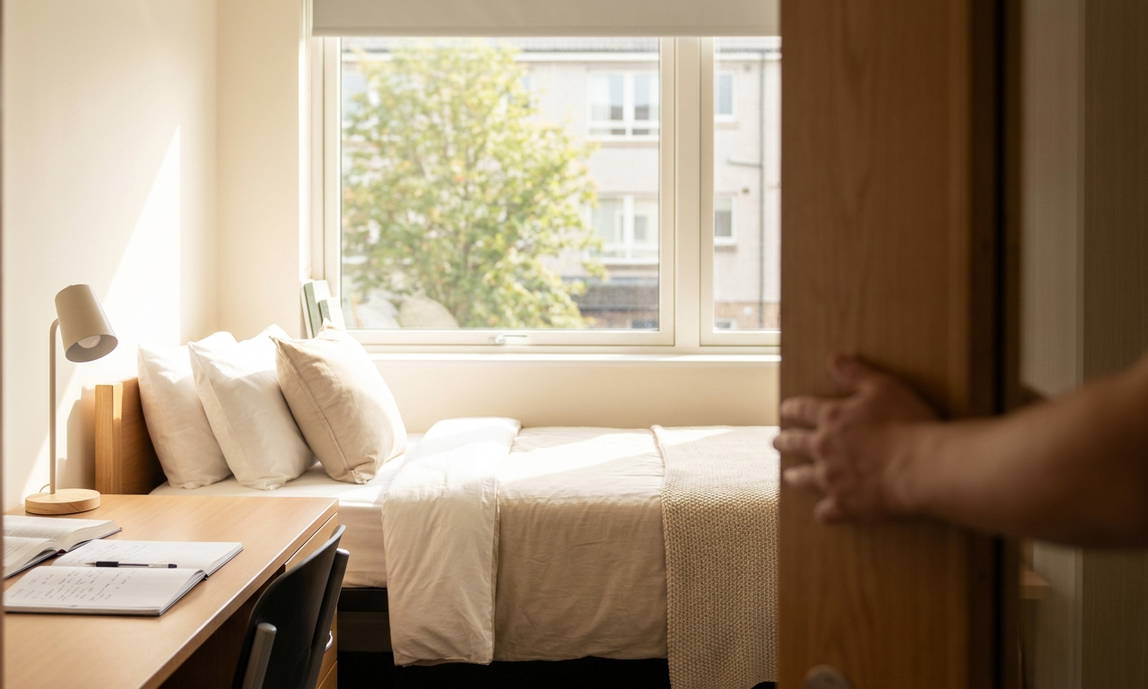
As each new academic year approaches, finding accommodation turns into a real hurdle for thousands of young people. But for the new intake, the situation has reached a critical point. Halifax 2026 student housing is a primary concern for universities, families, and public authorities alike. Faced with exploding demand and stagnating supply, traditional solutions are no longer enough. At Roomlala, we are observing this trend closely and are convinced that the solution lies largely with private individuals. Opening your door and offering an unoccupied room is no longer just a financial opportunity; it has become an essential civic act to support the next generation.
In this article, we will together decode the issues of this unprecedented crisis hitting the Nova Scotian capital and its surroundings. We will see why homestay in Halifax is emerging as the most human and immediate response to this challenge. Whether you are a young couple with a spare room, a professional who travels often, or young retirees with space to spare after your children have moved out, you hold a major key to unlocking this situation. We will cover in detail the financial benefits, the positive social impact, as well as the specific legal framework of Nova Scotia to allow you to get started with complete peace of mind and security.
See also: Porta 65 Jovem programme in 2026: How to fund your room in a shared housing arrangement in Portugal, Student lease vs. standard furnished lease: Which option should you choose for renting your room for the 2026 academic year? and 2026 student intake in Brussels: Everything you need to know about student leases and shared housing
The student housing shortage in Halifax in 2026: an alarming situation
The student housing shortage is not a new phenomenon in Canada, but the situation in Halifax has reached unprecedented proportions for the 2026 school year. Attracting thousands of Canadian and international students every year thanks to the excellence of its institutions such as Dalhousie University, Saint Mary's University, or even NSCC, the city is a victim of its own success. The local property market, already under pressure due to strong population growth and a lack of new suitable constructions, can no longer absorb this massive influx. University residences are fully booked months in advance, leaving many young people on waiting lists, anxious about not finding a roof over their heads before the start of classes.
The numbers speak for themselves and illustrate the severity of this crisis. Today, the average rent for a one-bedroom apartment in Halifax has crossed the symbolic and dizzying threshold of $2,000 per month. An astronomical sum, totally disconnected from the financial reality of a student, even those with scholarships or working part-time. This galloping rent inflation is pushing many young people to move considerable distances from campus, to accept sometimes precarious housing conditions, or in extreme cases, to give up on their studies in the province. The entire university ecosystem and the future dynamism of the region are threatened by this impassable financial barrier.
However, a glimmer of hope exists and it is literally right under our roofs. According to recent estimates, Nova Scotia has approximately 130,000 vacant rooms in private homes. This colossal figure represents a major potential to alleviate the crisis immediately, without waiting for the hypothetical construction of new buildings which would take years. If only a fraction of these homeowners decided to take the plunge, the pressure on the rental market would collapse. This is why shared housing in Nova Scotia between generations or homestays is no longer just an alternative trend, but an absolute necessity to balance supply and demand.
Why rent out your spare room? The benefits for homeowners
Hosting a student in your home is a decision that transforms your daily life, but above all, it brings tangible and immediate benefits. Beyond just helping out, a true win-win model is created. At Roomlala, we see every day how this experience enriches the lives of our hosts, both in terms of finances and human relationships. Let's detail together why taking the step for the 2026 school year is an excellent idea.
An extra income to cope with the cost of living
In an economic context marked by inflation, rising interest rates, and the general increase in the cost of living, generating extra income is a major concern for many Nova Scotians. Renting out an unused room provides a stable monthly income, generally between $600 and $900 depending on the location and the amenities offered. This significant income can make a huge difference at the end of the month. Let's take the concrete example of Marc and Sylvie, a retired couple living in Dartmouth: by renting out their son's old room to an engineering student, they generate nearly $8,000 per year, which fully covers their property taxes and part of their winter heating bills.
In addition, the financial advantage is optimized by interesting tax provisions. Although this rental income must be reported to the Canada Revenue Agency (CRA), renting a student room in Canada allows you to deduct a proportional share of your current expenses. If the rented room and shared spaces represent 20% of your home's total area, you can deduct 20% of your electricity, heating, and internet bills, and even your mortgage interest and home insurance. This tax mechanism makes it possible to considerably reduce the tax linked to this new income, making the operation extremely profitable for the owner, while offering the student rent well below standard market prices.
A strong social impact and fighting isolation
The financial aspect is often the trigger, but it is the human adventure that builds owner loyalty year after year. Opening your home means breaking the routine and actively fighting against isolation, a plague that particularly affects the elderly or those living alone. The presence of a young adult brings life, stimulating conversations, and a reassuring sense of security. Sharing a meal from time to time, chatting about current events, or simply knowing that there is a caring presence under the same roof positively transforms the atmosphere of a large house that has become too quiet.
For the student, the impact is just as monumental. International students or those coming from other Canadian provinces often find themselves uprooted, far from their family support systems. Being hosted by a local family greatly facilitates their integration. They benefit from the wise advice of their host on neighborhood life, the transport network (Halifax Transit), or local habits. It is an invaluable social anchor that reduces the stress related to expatriation and promotes academic success. By becoming a host, you are not just providing a bed, you are becoming an essential guide, an integration facilitator who actively contributes to Nova Scotia's reputation for warm hospitality.
The legal framework in Nova Scotia: what to know before getting started
Getting started with renting out a part of your primary residence requires a good understanding of the rules of the game. Contrary to popular belief, hosting someone in your home does not happen in a legal void. Nova Scotia has very clear legal specificities that must be mastered to ensure a peaceful cohabitation. At Roomlala, we make it a point of honor to inform our users so that every rental takes place in the best conditions and in strict compliance with local law.
The Residential Tenancies Act
This is where the province's greatest distinction lies. In the majority of Canadian provinces (such as Ontario or British Columbia), if the tenant shares the kitchen or bathroom with the owner, the standard rental law does not apply. In Nova Scotia, it is quite the opposite! The Residential Tenancies Act applies fully, even if common spaces are shared with the owner. This means that the relationship between you and your student is governed by the same official rules as an independent apartment.
This specificity is actually excellent news for both parties, as it provides a secure and predictable framework. It requires the signing of an official standard Nova Scotia lease, clearly defines the reasons and notice periods for ending the tenancy, and regulates rent increases. For the owner, this means having clear legal recourse in the event of non-payment or inappropriate behavior. For the student, it is the guarantee of not being evicted overnight without a valid reason. This strict but fair framework is the foundation of a relationship of trust essential for a successful rental.
Security deposit, insurance, and taxes
Provincial legislation is also very strict regarding the security deposit. In Nova Scotia, it is illegal to ask for a deposit greater than the equivalent of half a month's rent. For example, for a room rented for $800 per month, the maximum deposit is $400. This amount must be kept in a trust account and returned at the end of the lease, minus any damages caused by the tenant beyond normal wear and tear. It is crucial to carry out a detailed inventory check upon arrival and departure to avoid any disputes.
Administratively, two other steps are essential. First, you must inform your home insurance company that you are hosting a paying tenant. Omitting this declaration could lead to the cancellation of your coverage in the event of a claim (fire, water damage). Most insurers accept this addition for a small additional premium, which is largely covered by your new income. Secondly, as mentioned previously, tax reporting via the T776 form (Statement of Real Estate Rentals) is mandatory. We advise you to keep all your invoices (internet, heating, repairs) carefully to justify your deductions on your annual tax return.
How Roomlala and local initiatives support you
Faced with the urgency of the situation for Halifax 2026 student housing, the Nova Scotia government has decided to take the lead. Aware of the potential of the 130,000 vacant rooms, the province is actively supporting this solution. An official partnership has been set up with local platforms like Happipad, where the provincial government covers the costs of matching and background checks for residents. This initiative proves how much the authorities are counting on citizens to solve this structural crisis.
At Roomlala, we are proud to participate in this collective effort by offering an international, intuitive, and secure platform. We know that the main barrier for an owner is often the fear of the unknown. That is why our system is designed to reassure you at every step. You have total control over your listing: you set your price, your house rules (smoker, pets, visitors), and you choose your availability dates. Our secure messaging allows you to chat extensively with students and have video calls to check that you are a good match, even before confirming a booking.
To get started, here is a concrete roadmap: start by decluttering the room and make sure it has the essentials for a student (a good bed, a desk, a comfortable chair, a work lamp, and storage space). Take bright photos and write a warm listing describing the neighborhood and access to public transport. Finally, publish your listing on Roomlala. In a few days, you will receive requests from motivated young people, ready to commit to their studies and respect your home. By opening your door, you are not just renting out a room, you are literally changing the life of a student and actively participating in Nova Scotia's solidarity.

There are no comments yet.
Add a comment
You must log in to post a comment.